
Academic dishonesty defies the fundamental tenets of a University, and yet cases are on the rise at GW. This is problematic for any university that seeks to foster a culture of academic self-discovery.
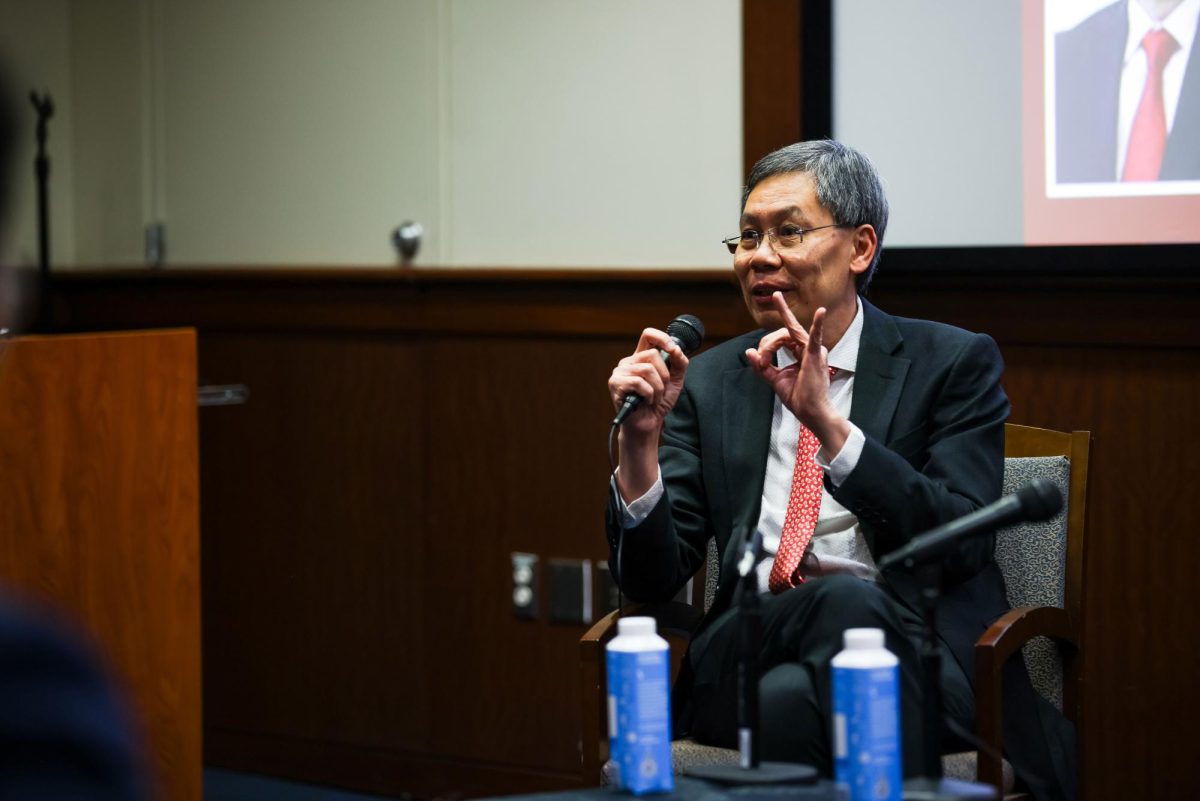
Tim Terpstra, the director of the Office of Academic Integrity, said the University has witnessed a 10 percent increase in cases of academic dishonesty since 2005. Sixty-two percent of the overall cases involve plagiarism.
He is working to turn plagiarism cases into learning experiences for convicted students. His primary outreach efforts involve partnering with the Writing Center to better teach students how to properly cite sources, which will hopefully prevent future infractions from the same individuals.
But incidents of plagiarism can be difficult to catch, and that’s why it’s best for the University to take a proactive approach to curbing this trend. It is reassuring that the infrastructure exists to educate convicted students of the consequences of his or her actions, but a more effective process is putting a stop to plagiarism before it occurs.
The University can start this by standardizing a preventative approach with the Office of Academic Integrity. Terpstra and his office must be granted greater access to work directly with students throughout the University and have more personal and accessible conversations about cheating and plagiarism.
Such an approach could be implemented in writing intensive classes such as University Writing and the Writing in the Disciplines courses. These professors could partner with peer educators from the Academic Integrity Council, and could have an in-depth discussion about plagiarism on the first day of classes.
Mandating a personal and candid dialogue with students will have a much greater effect than a cursory mention of the academic code of integrity. By having a more detailed and frank discussion about plagiarism, students may better understand the significance of plagiarism.
While it is unrealistic to suggest that every single professor needs to or should partner with the Office of Academic Integrity, this discussion should occur whether or not peer mediators are present.
Professors in WID courses could also be encouraged to adopt the UW20 model of requiring students to submit outlines and rough drafts of papers. Oftentimes, students plagiarize when they are struggling to finish an assignment last minute. By frequently checking in with students as they work on their assignments, professors are better able to identify students who need help developing original ideas or citing sources.
While there is a University-wide academic code of integrity, professors should be encouraged by the Office of Academic Integrity to clarify and define their own individual expectations about what they consider to be plagiarism and how they will respond to it. By having an agreement with professors about what constitutes plagiarism, students will be more aware of how to research and cite their material throughout the semester.
As a result, they would be more aware of when they potentially infringe upon the academic integrity policy, and could self-correct their mistakes or seek advice from a professor.
Departments could also work to better communicate their specific standards for plagiarism. It can difficult for students to understand the nature of plagiarism across multiple disciplines, as each course requires a different form of research and citation.
A culture of academic dishonesty has the potential to damage the integrity and credibility of any university. Should plagiarism further manifest itself, it will set a dangerous precedent of diminishing the creative nature of academics at GW.
While preventative measures such as these are certainly not a cure-all for plagiarism, they can go a long way in furthering the discussion about academic dishonesty and perhaps curb a rising trend of plagiarism before it’s too late.